Float Therapy

Float Therapy · Southbank & Oakleigh

Float Therapy

in MELBOURNE

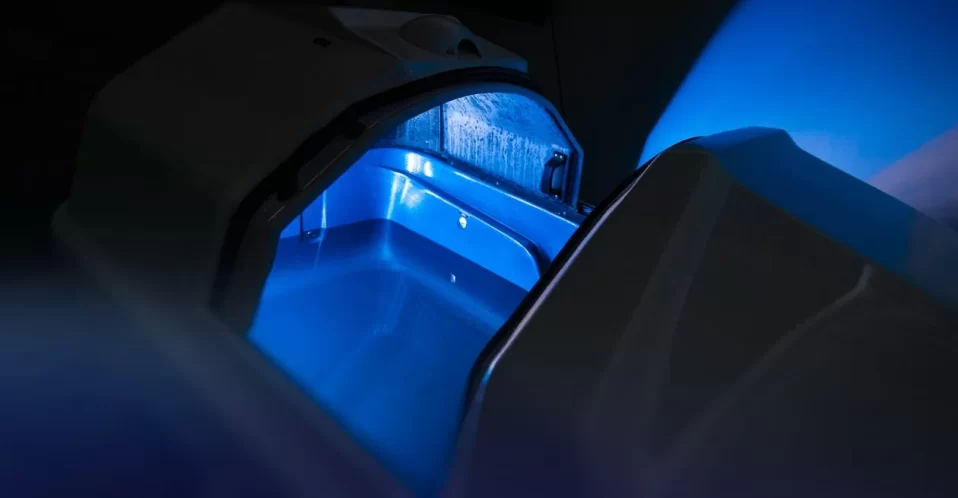
Experience the profound relaxation of float therapy, where you effortlessly float in a sensory-deprivation tank filled with Epsom salt water, designed to calm the mind and rejuvenate the body.

STRESS RELIEF

Markedly lowers cortisol levels, diminishing your fight-or-flight response.
?brizy Media=wp 3bfd07e8c6ffb6a055d77815e4d3db3a

Increased Creativity

Stimulates creativity and problem-solving abilities.

?brizy Media=wp C09f0e15ab04f58b6626d1d06d48bd66
Mental Clarity

Enhances focus, mental clarity, and mindfulness.

?brizy Media=wp 0a166932198b001767377dcfb2ba2749
Float Tank Jpg 958x639x0x141x958x498x1699258468

CASUAL FLOAT THERAPY

Session Length | 60Min – 120Min

Water Temperature | 34.5 °C – 35.5 °C

Float therapy involves lying in a sensory deprivation tank filled with water saturated with Epsom salt, allowing you to float effortlessly. The tank is designed to block out external stimuli, creating an environment of complete sensory isolation. This experience helps reduce stress by lowering cortisol levels, promoting deep relaxation, and enhancing mental clarity. It also aids in physical recovery by relieving muscle tension and reducing inflammation.

wHAT’S INCLUDED

Filtered/Chilled water

Herbal tea

Float introduction (1st timer)

A complimentary towel

Ear plugs

Facial Towel

Hair Dryer

Shower facility with body wash, shampoo and conditioner
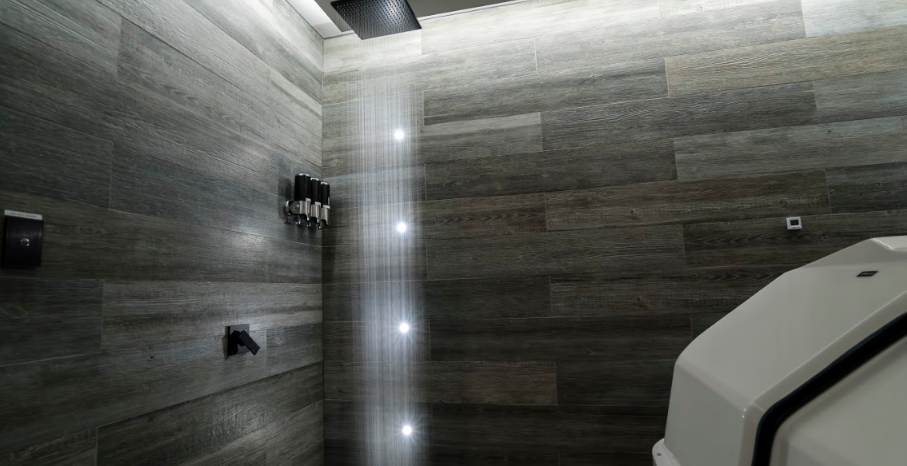
2019 05 01 00 33 Drive.google.com 958x640x0x74x958x493x1556634832

Development by John C. Lilly (1950s):

John C. Lilly, an American physician and neuroscientist, developed the first isolation tank in 1954 as part of his research into consciousness and the effects of sensory deprivation on the mind. These early tanks were often used in combination with psychedelic drugs as Lilly explored altered states of consciousness.

Johnlilly4 Jpg 461x426x0x40x461x346x1696583313

HISTORY OF FLOAT THERAPY

Introduction to the Public (1970s):

Floatation tanks gained popularity in the 1970s when they were introduced to the public as a form of relaxation and therapy. During this time, commercial float centers began to emerge, offering floatation sessions to individuals seeking stress relief and sensory exploration.

Rise and Fall in Popularity (1980s – 1990s):

Floatation therapy experienced both a rise and fall in popularity during the 1980s and 1990s. While many people found benefits in floating, including stress reduction and pain relief, the industry faced challenges in maintaining mainstream appeal.

Resurgence (2000s – Present):

In the 2000s, floatation therapy experienced a resurgence in popularity as more research emerged supporting its therapeutic benefits. Improved tank designs, enhanced sanitation practices, and a growing interest in alternative wellness modalities contributed to the renewed interest in floatation therapy.

Modern Floatation Centers and Research (21st Century):

Today, floatation centres can be found worldwide, offering floatation sessions in state-of-the-art tanks designed to provide optimal sensory deprivation. Research into the benefits of floatation therapy continues, with studies exploring its effects on stress, anxiety, chronic pain, sleep disorders, and more.

Throughout its history, floatation therapy has evolved from a tool primarily used for scientific research to a widely recognized form of wellness therapy accessible to the general public. Its journey reflects a growing understanding of the mind-body connection and the importance of relaxation and self-care in promoting overall well-being.